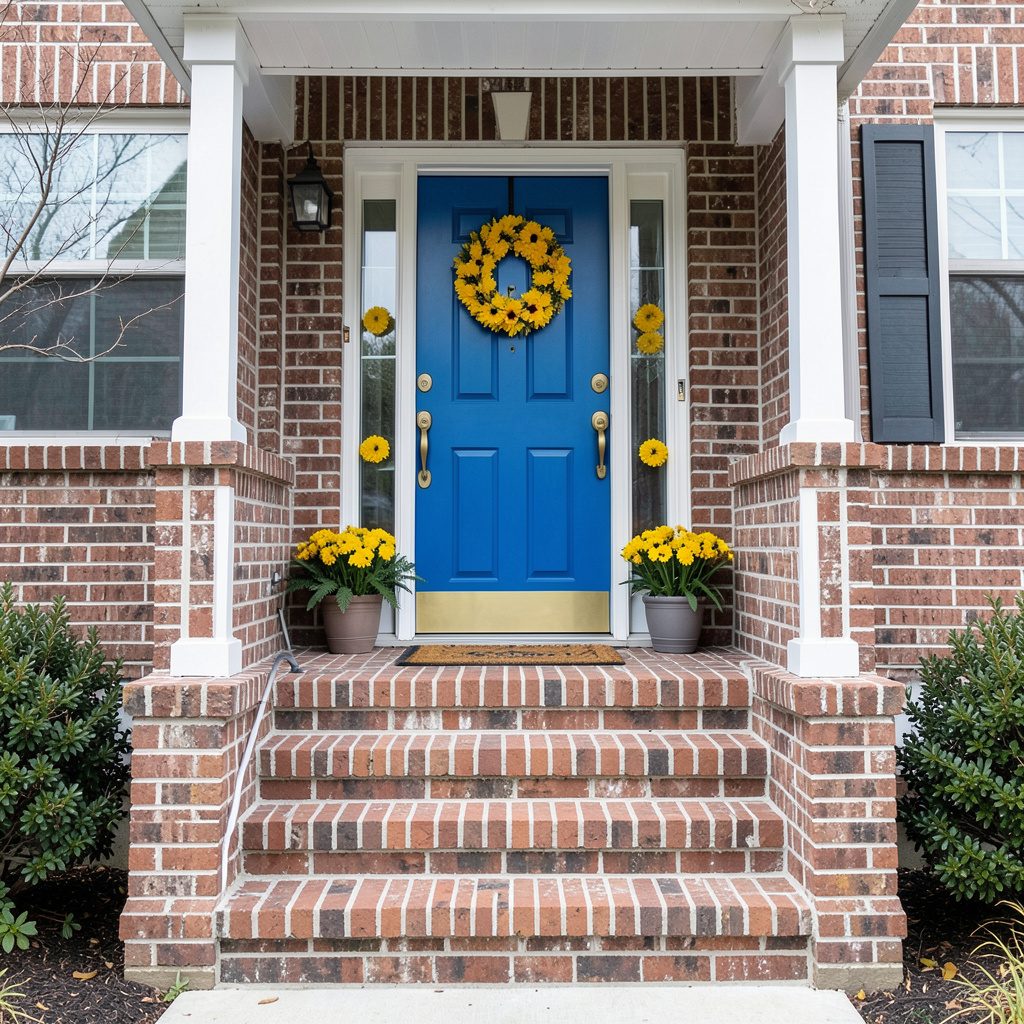
Warm Porch Lighting Ideas For An Inviting Australian Home
The best lighting fixtures for a warm and inviting porch do more than brighten the front door. They establish the mood of the home before anyone steps inside, make house numbers easier to see, and help an outdoor sitting area feel comfortable after sunset. The right combination of colour temperature, scale and weather resistance can turn a plain entry into a welcoming extension of the interior.
Australian porches need a considered approach because outdoor conditions vary so widely. A coastal home in Sydney or Perth may face salt air, while a Queenslander in Brisbane needs fittings that suit a broad, airy veranda. In Melbourne, lighting should create a cosy glow during long winter evenings without looking too harsh in summer. Whether the style is Hamptons, modern, federation or relaxed coastal, the fixtures should feel connected to the architecture.
Choosing Warm Light For Australian Porches
Start with the colour of the light rather than the appearance of the fitting. Warm white lamps between 2200K and 2700K produce an amber, relaxed glow that suits timber decking, brick, sandstone and painted weatherboards. A 3000K lamp is slightly cleaner and may work well with contemporary render or charcoal cladding, but cooler blue-toned bulbs can make a porch feel stark and commercial.
Brightness matters just as much as colour temperature. A small entry may need only one wall sconce with a soft 400–800 lumens, while a deep veranda with outdoor seating may require several modest sources. Excessive brightness creates glare on glass doors and polished surfaces, so use multiple low-output lights rather than one powerful floodlight.
Warm light also works beautifully when it is aimed carefully. Downward illumination makes steps and thresholds safer, while shaded or opal diffusers prevent the exposed globe from shining into people’s eyes. For a home that opens directly into the lounge, carry the same warm tone inside so the transition feels deliberate. A browse through living room ideas can help coordinate porch lighting with lamps, ceiling fittings and the broader interior palette.
Fixture Styles That Shape The Atmosphere
Wall lanterns remain one of the most versatile options for a front porch. Traditional black, bronze or aged brass lanterns complement federation cottages, Victorian terraces and Hamptons homes, while slim cylinder sconces suit modern façades. Choose a pair for a symmetrical entry or a single larger fixture where the doorway is narrow. The fitting should be visible from the street without overpowering the door or house number.
Pendant lights are especially effective on covered verandas with a generous ceiling height. A woven rattan pendant brings a relaxed coastal character, whereas a metal or glass pendant feels more architectural. In a Queenslander, a period-inspired pendant can echo fretwork and timber details; in a contemporary home, a simple dome or ribbed-glass design keeps the look crisp. Check that the lowest point is high enough to avoid head knocks and does not obstruct the door swing.
Flush mounts and semi-flush ceiling lights are practical for low ceilings. Look for designs with a sealed shade, discreet profile and a soft diffuser. These fixtures spread light across the whole porch and are useful when the space doubles as a passage to the garage or backyard. Recessed downlights can provide a clean finish, though too many can make a porch resemble an office corridor. A few carefully spaced fittings usually feel more inviting.
Small accent fixtures add character without demanding attention. Step lights, low bollards and narrow strip lighting can highlight stairs, garden edges or built-in seating. Avoid placing decorative lights at every point of interest; a restrained arrangement gives the porch a calmer, more considered appearance.
Materials And Performance For Outdoor Conditions
Outdoor lighting is exposed to rain, dust, insects, temperature shifts and strong sunlight. Look for a suitable IP rating, with IP44 often adequate in a well-protected covered area and IP65 a better choice for fittings exposed to wind-driven rain. Always follow the manufacturer’s instructions, since the right rating depends on the exact position and installation method.
Material selection should reflect the local environment. Powder-coated aluminium is lightweight and available in many colours, while stainless steel offers a clean contemporary finish. Brass and copper develop a natural patina that suits heritage and coastal schemes, although salt-heavy locations may require more frequent cleaning. Plastic can be useful for concealed components, but inexpensive finishes may fade or become brittle under Australian UV exposure.
| Fixture type | Best use | Suitable style | Key consideration |
|---|---|---|---|
| Wall lantern | Beside a front door or garage entry | Federation, Hamptons, classic | Match the scale to the doorway |
| Pendant | Covered veranda or high ceiling | Coastal, contemporary, rustic | Confirm height and weather protection |
| Flush mount | Low-ceiling porch | Modern, understated | Choose a sealed diffuser |
| Recessed downlight | Broad sheltered ceiling | Minimalist | Avoid a repetitive grid |
| Step light | Stairs and changes in level | Modern, practical | Keep glare away from eye level |
| Bollard light | Pathways and garden borders | Coastal, contemporary | Space evenly for a calm rhythm |
| Wall washer | Feature wall or textured surface | Architectural | Use low brightness to prevent glare |
Australian electrical work must be completed by a licensed electrician, particularly where new wiring, switches or hardwired outdoor fittings are involved. Products sold through large hardware retailers and specialist lighting stores may vary considerably in quality, warranty and suitability, so check the compliance information rather than choosing by appearance alone. A local lighting showroom can also demonstrate beam spread and colour temperature more accurately than a small online image.
Layering Light Around The Entry
The most welcoming porches use layers rather than a single central source. Ambient lighting provides general visibility, task lighting helps with locks and steps, and accent lighting draws attention to planting, architectural details or outdoor furniture. Combining these roles creates depth and keeps the space useful after dark.
Place a wall lantern near the handle or lock, then add a ceiling pendant or flush mount for broader coverage. If the porch includes stairs, use discreet step lights or low-level wall fittings instead of aiming a bright light directly down from above. A path light near the gate can gently guide visitors towards the door, while a small garden spotlight can reveal a feature tree or textured wall.
Controls make the arrangement more flexible. A dimmer allows the porch to shift from practical brightness when guests arrive to a softer evening glow later on. Motion sensors are useful for side gates and bins, but they can feel abrupt at the front entry if set too sensitively. Photocells and timers are effective for decorative lights, particularly when the household is away.
Solar fixtures can be convenient for a garden path, but their performance depends on direct sunlight and battery capacity. In shaded courtyards or during several overcast days, they may produce little light. For a porch used every evening, mains-powered LED fittings generally deliver more reliable brightness and lower maintenance. Warm LED globes also last longer and use less energy than older halogen alternatives.
A Practical Selection Guide
Before purchasing, assess the porch in daylight and after sunset. Note where rain reaches, how high the ceiling is, whether the door opens inward or outward, and where people naturally stand while searching for keys. These simple observations prevent common mistakes such as installing a pendant too low or placing a wall light where it is hidden by an open screen door.
Think about the view from inside the house as well. A bright fitting visible through a hallway window can become distracting, while a softly illuminated planter or textured wall may create a beautiful evening outlook. For homes in bushfire-prone regions, keep garden lighting and cabling planned with the surrounding vegetation and local safety requirements in mind. In a busy Melbourne terrace, compact wall lights may be more appropriate than broad bollards; on a rural property near Adelaide, longer paths may need spaced low-level fixtures.
Useful recommendations include:
- Select warm white LEDs between 2200K and 2700K for a relaxed residential glow.
- Choose IP44 or higher for sheltered areas and IP65 for locations exposed to driving rain.
- Match the fitting’s scale to the doorway, using paired sconces only when the façade can support symmetry.
- Use dimmers, timers or photocells to control brightness and reduce unnecessary overnight use.
- Have all fixed outdoor electrical work installed by a licensed Australian electrician.
Colour and finish should support the surrounding materials. Matte black creates a strong outline against pale brick or white weatherboards, aged brass warms timber and stone, and bronze blends comfortably with gardens. If the porch already contains several finishes, repeat one of them in the lighting rather than adding another unrelated metal.
A well-chosen fixture should also be easy to clean and maintain. Coastal homes benefit from occasional rinsing to remove salt deposits, while fittings under trees may need checks for leaves, insects and moisture. Keep replacement globes readily available and choose standard lamp sizes where possible, so a failed globe does not require replacing the entire fitting.
Bring the scheme together with one or two carefully selected fixtures, then refine the ambience through dimming and planting. Visit a lighting showroom or trusted Australian retailer to compare warm tones, inspect weather ratings and check proportions before installation. With the right glow at the door, the porch becomes a comfortable, characterful part of the home rather than a forgotten strip of outdoor space.