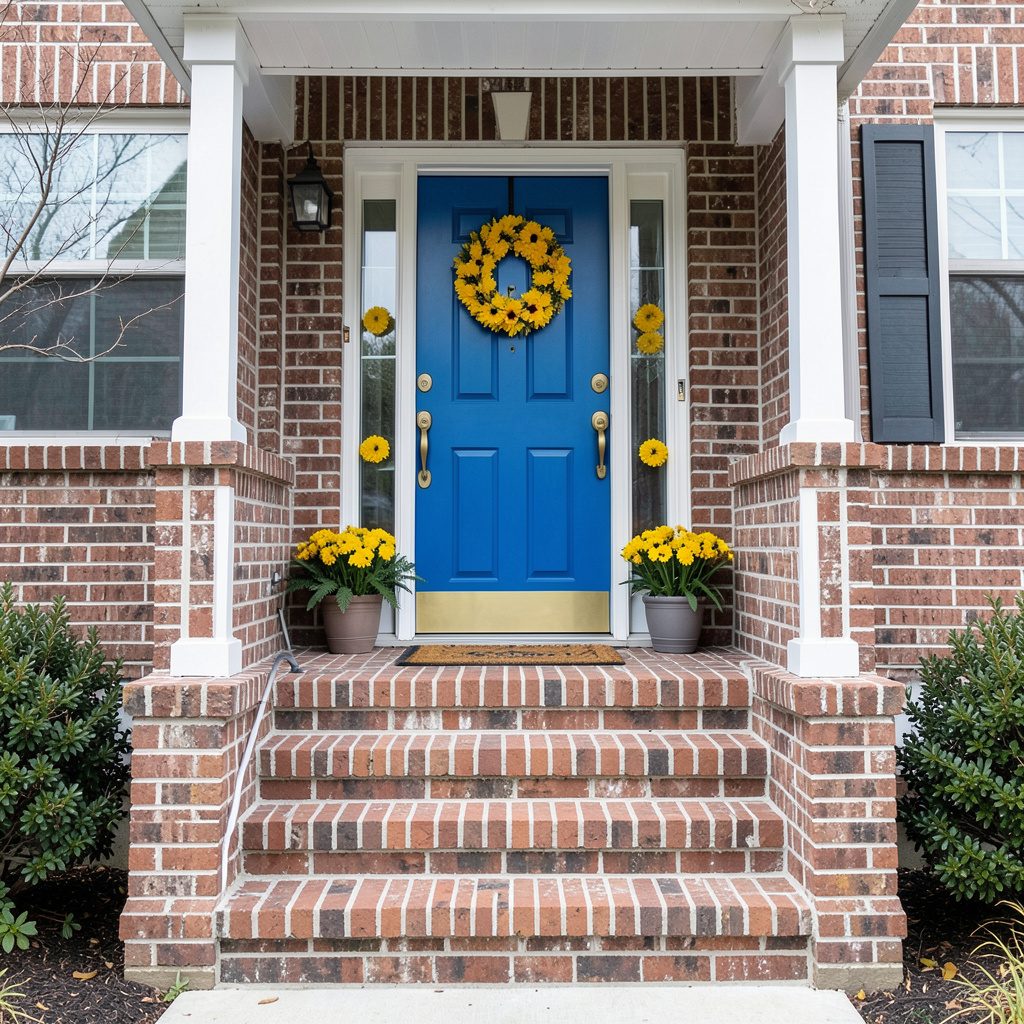
Transitional style: blending traditional and contemporary design
Transitional style has become one of the most sought-after approaches in residential interiors, offering a balanced middle ground between the ornate detail of classic décor and the clean restraint of contemporary design. Homeowners are increasingly drawn to this hybrid aesthetic because it feels neither too stuffy nor too sparse, instead delivering rooms that feel curated, comfortable, and current. The style borrows the best qualities of both worlds — the warmth and craftsmanship of traditional pieces alongside the simplicity and openness of modern forms.
Australian homes are particularly well-suited to this blended look. With our love of indoor-outdoor living, abundant natural light, and a housing stock that ranges from Victorian terraces in Melbourne to elevated Queenslanders in Brisbane, the country offers endless opportunities to mix eras. Whether you live in a renovated warehouse in Sydney's Inner West or a new build in Perth's coastal suburbs, transitional interiors can honour your home's character while making it feel distinctly modern.
This approach also offers practical flexibility. Rather than committing to a strict period look that might feel dated within a decade, transitional rooms tend to age gracefully because their foundation is built on balance rather than trend. Below, we explore the elements that define this design language, how to apply it across different rooms, and what to keep in mind when curating your own transitional space.
The foundations of transitional design
At its core, transitional style is about moderation. It pulls traditional silhouettes — think wingback chairs, turned wooden legs, and tufted upholstery — and softens them with contemporary finishes, lighter colour palettes, and pared-back accessories. The result is a room that feels layered without being cluttered, polished without being stiff.
One useful way to think of it is to place each piece on a spectrum. A traditional mahogany dining table can be paired with streamlined wishbone chairs in pale timber, immediately pulling the look into transitional territory. Likewise, a sleek modern sofa can be grounded with a Persian-style rug or antique brass lamps, anchoring the room in something more timeless.
The style also relies heavily on negative space. Unlike maximalist traditional rooms or stark modern lofts, transitional interiors breathe. Surfaces are not overcrowded with knick-knacks, furniture is generously proportioned but not overstuffed, and walls often carry one or two strong art pieces rather than a salon-style cluster.
Crafting a cohesive colour palette
Colour is where transitional style often makes its strongest statement. The palette typically blends warm neutrals — cream, taupe, soft grey, and putty — with selective accents of deeper hues like navy, forest green, or terracotta. The aim is to feel grounded but not gloomy, sophisticated but not cold.
In Australian homes, palettes often take cues from the landscape. Coastal residences around Byron Bay or the Mornington Peninsula might lean into sandy beiges and chalky whites accented by weathered blues, while inland homes near Adelaide or Canberra favour warmer earth tones reminiscent of the surrounding bushland. This subtle connection between interior and exterior enhances the indoor-outdoor flow Australians love so much.
Wall finishes tend to favour matte or low-sheen paints over high-gloss treatments. Whites with the slightest hint of warmth — sometimes called "creamy whites" — pair beautifully with both antique gilt frames and minimalist black-and-white photography, illustrating the style's inherent flexibility.
Furniture, materials, and textural contrast
Choosing furniture for a transitional room requires a thoughtful mix of materials. Polished timbers such as Tasmanian Oak or Blackbutt pair effortlessly with painted finishes in soft grey or muted sage. Metals bridge the gap too — brushed nickel, aged brass, and matte black all find a home in transitional interiors because they nod to both heritage and modern sensibilities.
Upholstery tends to favour neutral fabrics in linen, cotton velvet, or performance weaves rather than heavy brocades or loud prints. This makes the look especially practical for family homes, where sofas need to withstand daily use while still feeling elegant. For inspiration on using textiles effectively in a layered, comfortable setting, layering textiles for a luxurious bedroom retreat offers useful guidance.
Texture plays a significant role as well. A velvet ottoman, a jute rug, linen curtains, and a timber console together create visual interest even within a restrained palette. The key is varying surface finishes so the eye registers depth, even when the colours themselves remain neutral.
Quick wins for stronger material contrast:
- Mix a timber dining table with upholstered chairs in a different style
- Combine two metal finishes (such as brushed and polished brass) sparingly across one room
- Layer a natural-fibre rug over a larger, low-pile wool carpet
- Add a stone or marble accent on a coffee table or side table
Lighting and decorative accents
Lighting in transitional interiors tends to bridge eras too. A traditional crystal chandelier can feel at home in a modern dining room, provided the surrounding furniture is kept clean-lined. Conversely, a minimalist pendant in linear brass can elevate a heritage Victorian entry without feeling out of place.
Table lamps are another useful tool. Ceramic bases in simple shapes, paired with drum shades in linen or cotton, work across nearly every transitional setting. Wall sconces in aged brass or bronze, or modern sconces in matte black, both complement the style depending on the wider room context.
When it comes to accessories, restraint is everything. Group accessories in odd numbers, vary the heights, and leave breathing room between vignettes. A single sculptural object on a console can have more impact than a crowded display, particularly in open-plan layouts common in modern Australian homes.
Applying the style across different rooms
Transitional design adapts readily from one room to another. Kitchens, for instance, benefit from Shaker-style cabinetry in soft grey or white paired with stone benchtops in subtle veining. Living rooms thrive on a neutral sofa alongside a traditional rug and a pair of contemporary occasional chairs. Bedrooms combine upholstered linen headboards with floating bedside tables, balancing softness with simplicity.
A few room-specific starting points:
- Kitchens: shaker cabinetry, brass hardware, stone benchtops
- Living rooms: neutral sofa, traditional rug, modern armchairs
- Bedrooms: upholstered headboard, sleek bedside tables, layered lighting
- Bathrooms: freestanding bath, frameless shower, classic subway tile
The principle remains the same in each case: pair at least one element from a traditional vocabulary with at least one from a contemporary one, then tie them together with a cohesive palette and consistent material language.
Avoiding common pitfalls
Transitional style, like any approach, can veer off course without intention. One frequent misstep is mixing too many eras at once, creating a space that feels curated by accident rather than design. Limiting yourself to two clear reference points — even if they shift room by room — helps maintain cohesion.
Another is letting the neutral palette become flat. Without variation in tone, texture, or finish, even a beautifully composed room can feel monotonous. Introduce depth through rugs, cushions, artwork, or a painted feature wall in a dusty blue or warm clay. Pay attention to scale as well — oversized modern furniture can overwhelm a heritage home with narrower proportions, while dainty traditional pieces may disappear in a contemporary open-plan living area.
Diagnosing these issues often comes down to noticing subtle distinctions. Just as careful observation helps when differentiating skin conditions, sharpening your eye for small interior clues helps refine your design choices.
| Design element | Traditional | Contemporary | Transitional |
|---|---|---|---|
| Silhouettes | Ornate, curved, detailed | Clean, minimal, geometric | Blended curves and clean lines |
| Colour palette | Rich, layered, jewel tones | Neutral, stark, monochromatic | Warm neutrals with selective accents |
| Materials | Dark woods, heavy fabrics | Glass, steel, light timbers | Mixed timbers, varied metals, natural fibres |
| Accessories | Abundant, decorative, classical | Sparse, sculptural, intentional | Curated, balanced, grouped in odd numbers |
| Overall feel | Formal, classic, heritage | Airy, modern, minimalist | Comfortable, considered, current |
Bringing transitional style into your home
Ready to bring transitional style into your own home? Start small by swapping one statement piece — perhaps a contemporary sofa or a traditional rug — and notice how the room's balance shifts. As you grow more confident, layer in additional elements at your own pace, allowing the look to evolve with your lifestyle and the way you use each space.
Browse our room-by-room galleries and decorating guides for further inspiration, then adapt the principles to suit your home, climate, and personal taste. With a thoughtful mix of traditional warmth and contemporary clarity, you can craft interiors that feel both timeless and entirely your own.