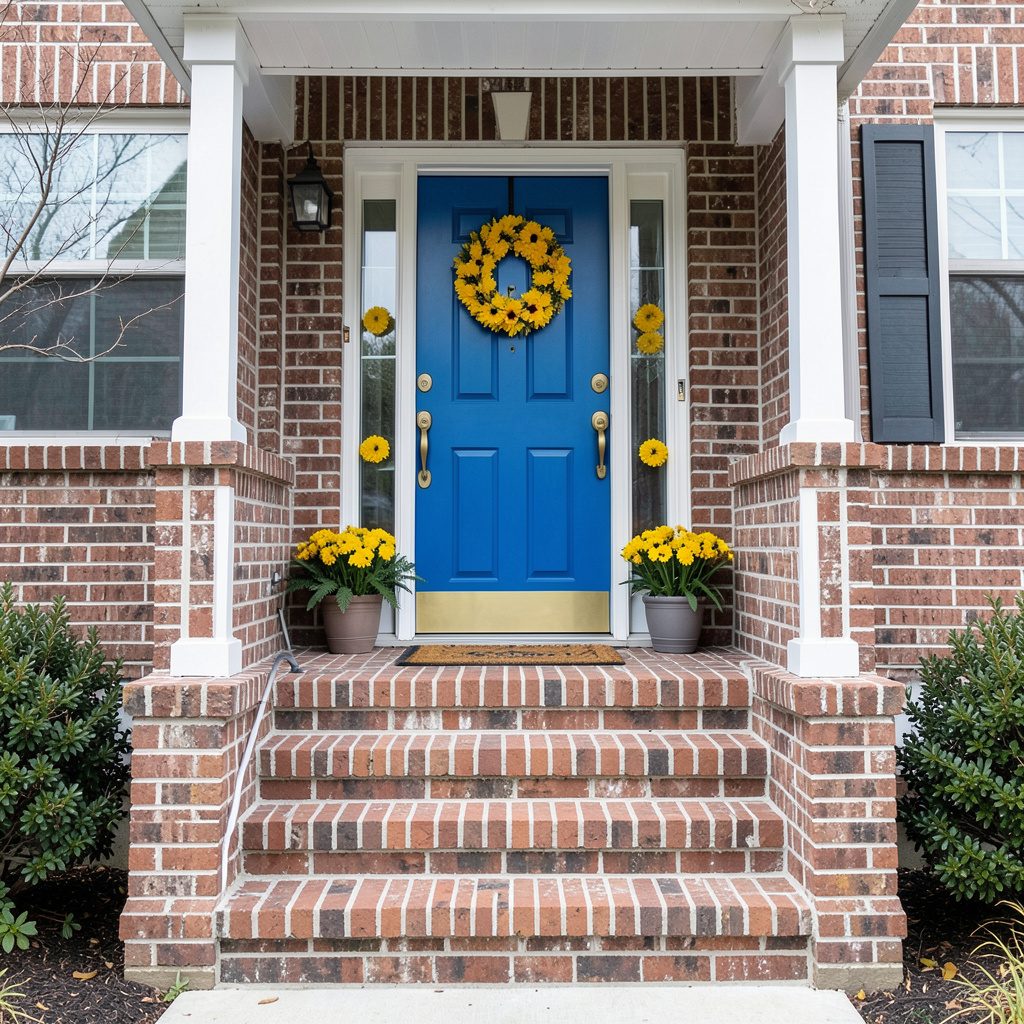
Thoughtful Plant Styling for Porches and Patios
Arranging plants on a porch or patio can change the character of an outdoor area without requiring a major renovation. A few well-positioned pots can soften hard paving, frame a doorway, screen a neighbour’s wall and make an outdoor setting feel connected to the rest of the home. The best displays look intentional rather than crowded, with each plant given enough room to grow and contribute to the overall composition.
Australian conditions make plant placement especially important. A sunny Perth courtyard, a humid Brisbane veranda and a wind-exposed Melbourne balcony each demand a different approach to containers, watering and plant selection. Even within the same city, a north-facing terrace may receive intense afternoon heat while a covered porch remains cool and dim throughout the day.
Use the architecture as a starting point, then layer in foliage, colour, texture and practical features such as seating or outdoor lighting. For broader inspiration, explore these exterior design ideas alongside room-specific decorating concepts. A successful arrangement should look attractive from inside the house, work comfortably for everyday life and remain manageable through Australia’s changing seasons.
Choose Plants for the Australian Setting
Start by observing the conditions for several days before buying anything. Note where direct sun falls in the morning and afternoon, whether rain reaches the area, and how quickly the surface dries after watering. A tiled balcony can become much hotter than a garden bed, while a covered alfresco may offer bright light without enough moisture for plants that prefer full sun.
Select species according to the microclimate rather than choosing only by appearance. Kangaroo paw, lomandra, westringia and pigface can suit many sunny, low-water settings when given appropriate drainage. Ferns, cast iron plants and some palms are better suited to sheltered, shaded areas. In tropical or subtropical Brisbane, lush foliage may thrive in humidity, while plants on a breezy coastal porch in Sydney or Adelaide may need protection from salt-laden air.
The local nursery and hardware market offers an extensive range of lightweight pots, self-watering planters, native plants and ready-made potting mixes. Before purchasing, check the mature size on the plant label. A shrub that looks modest in a nursery pot can quickly dominate a narrow passage, block a window or become difficult to move.
Build a Balanced Container Composition
A pleasing plant display usually contains three visual levels: a taller feature, medium-height supporting foliage and a low or trailing layer. A slender citrus tree, cordyline or bird of paradise can act as the vertical anchor. Around it, combine rounded foliage with spiky forms, broad leaves or fine grasses to create contrast. Trailing dichondra, creeping rosemary or flowering annuals can soften the edges of raised pots.
Repeat a few colours or materials so the arrangement feels unified. Terracotta works beautifully with Mediterranean planting and warm brick, while charcoal fibre-cement pots suit contemporary homes and pale rendered walls. Timber stands, galvanised metal and woven baskets can introduce texture, though outdoor baskets should contain a durable inner pot to prevent water damage.
Group containers in odd numbers and vary their height rather than lining every pot in a rigid row. Three related pots beside a bench often look more settled than six identical containers spread evenly across the paving. Leave visual breathing space between groups, especially near doors and steps, so the plants frame the area instead of turning it into an obstacle course.
Work With Light, Shade, and Weather
Light direction should guide both plant choice and furniture placement. In a northern Australian orientation, intense sun can fade leaves and heat dark containers, while winter light may be limited beneath a deep awning. In southern cities, a sunny north-facing patio can support herbs and flowering plants, but a south-facing porch may be better suited to shade-tolerant greenery.
Use screening plants carefully. Tall planters with clumping bamboo, star jasmine on a trellis or a row of slender shrubs can create privacy, but they should not block breezes completely. Good airflow reduces stagnant humidity and helps outdoor furniture, cushions and foliage dry after storms. Secure taller pots in exposed locations, particularly on upper-level balconies where sudden gusts can create a safety risk.
Australia’s weather can shift quickly from dry heat to heavy rain. Choose pots with generous drainage holes, elevate them slightly so water can escape, and avoid leaving saucers full for long periods. In drought-affected regions, water-retentive potting mix, mulch and drip irrigation can reduce maintenance. Follow current local water restrictions where they apply, since rules can vary between Melbourne, Perth, regional New South Wales and other areas.
Make the Layout Practical and Compliant
Keep the main route to the front door, barbecue, clothesline or outdoor dining area clear. A plant that looks attractive beside a path may become irritating when its leaves brush against people or its pot narrows the walking space. Heavy containers should sit on stable, level surfaces, with felt pads or pot feet protecting tiles and allowing air to circulate beneath them.
Consider how the display will be maintained. Place thirsty plants closer to the tap and drought-tolerant varieties farther away. Group plants with similar watering needs so a single irrigation schedule does not leave one pot waterlogged while another dries out. Use a lightweight pot for seasonal flowers or fragile specimens, and reserve heavy ceramic or concrete containers for sheltered positions where they will not need frequent movement.
Apartment residents should review strata by-laws before attaching trellises, hanging planters or screens to shared walls and balcony balustrades. In many Australian councils, permanent pergolas, awnings, privacy structures or changes to drainage may require approval, particularly in heritage areas or rental properties. A quick check with the body corporate, landlord or local council can prevent an attractive planting project from creating a compliance issue.
If the outdoor space will be photographed or shared online, include the reasoning behind the choices. A short note about climate, lifestyle and material preferences gives the project personality; the reminder that an about page matters can be useful when presenting a home makeover or design journal.
Planting Recommendations to Put Into Practice
An effective arrangement should be attractive at first glance but simple enough to maintain through busy weeks. Before buying, sketch the patio from above and mark doors, stairs, drainage points, outdoor power outlets and the direction of the strongest sun. This small planning step helps prevent impulse purchases from filling the available space with mismatched containers.
Use these practical recommendations when arranging pots, planters and garden furniture:
- Place the tallest plant at the back or in a corner, keeping windows and important sightlines open.
- Combine contrasting leaf shapes, such as fine grasses with broad leaves and rounded succulents.
- Match each container to the plant’s mature root space, drainage needs and eventual weight.
- Keep frequently used paths at least comfortably wide for daily movement, shopping bags and outdoor entertaining.
- Group plants with similar watering requirements to make irrigation more efficient.
- Add pot feet, saucers or drainage trays where water could stain timber, concrete or apartment flooring.
- Rotate seasonal colour in small pots while keeping permanent structural plants in larger containers.
Finish the arrangement with details that connect it to the home. Repeat an indoor accent colour in a ceramic pot, echo a timber dining setting with a simple plant stand, or use warm solar lanterns to highlight foliage after sunset. Avoid placing too many decorative objects among the plants; a restrained selection allows the greenery to remain the main feature.
Review the layout after a few weeks rather than treating the first placement as permanent. Plants grow toward light, pots may settle unevenly and an area that seemed open in spring can feel crowded by midsummer. Prune lightly, move containers when necessary and replace plants that consistently struggle in the conditions.
A considered porch or patio arrangement can make a modest outdoor area feel finished, comfortable and distinctly personal. Begin with the light and weather, choose plants suited to the local setting, then build the display around movement, maintenance and the architecture of the home. Gather a few containers, map the space and create a planting group that improves the way the area is used every day.