Creating a pet-friendly living room without sacrificing design
Pets are part of the household, not occasional visitors. Dogs bring damp paws through the door, cats claim the warmest windowsill, and a rabbit may regard one cable as a chew toy. The aim is not to remove personality from the room; it is to absorb these habits within a scheme that still feels calm, tactile and considered. Good pet-proofing can become part of the décor through clever storage, durable surfaces and furniture chosen with real routines in mind.
A successful pet-friendly room uses firm, washable base layers and softer removable accents, then balances them with colour, texture and lighting. This approach works whether the home is a Sydney terrace, a compact Melbourne apartment or a suburban house with a busy family room. Begin with the animal’s needs and the household’s daily traffic, not with a generic pet corner. From there, every finish can earn its place while preserving the visual language you love.
Start with your household’s real routines
Watch the room in use before buying anything. Note where food is served, which route runs between the door and sofa, how long the pet settles in the sun, and whether water splashes near power points. A simple floor plan with these activities marked reveals whether the layout needs a clear path, a quieter retreat or a movable table. It also prevents the common mistake of buying attractive furniture that blocks the very spaces pets need.
Australian homes need to handle a familiar mix of beach towels, garden soil, sport gear and wet paws after a walk. In Sydney, even a short harbour or park outing can return with sandy footprints, so a washable runner at the entrance is more useful than a decorative mat that traps grit. Place a small bin for used bags beside the door, conceal the leads in a fitted cabinet and choose an easy-to-wipe tray beneath the water bowl. These details reduce clutter while keeping the threshold welcoming.
Plan the largest pieces around traffic rather than squeezing them into leftover corners. In an open-plan Australian home, a low sofa can define the seating zone without separating the pet route; in a compact Melbourne apartment, a slim console and vertical storage preserve floor space. Keep pathways wide enough for an older dog to turn and for children to pass safely. If everyone shares the room, visual zoning—through rugs, lighting or a change in material—can make each function clear without adding walls.
Choose finishes that can handle claws and spills
Flooring sets the tone and takes the most wear. Sealed engineered timber is widely available in Australia and feels warmer underfoot than tile, but grit can scratch the finish and damp paws may leave marks. Matte porcelain or textured resilient flooring is easier to wipe, although a washable low-pile rug can provide comfort without becoming a dirt magnet. Avoid deep-pile carpet where shedding is heavy; tightly woven, washable synthetics are generally easier to maintain than loose wool loops.
Upholstery needs the same balance between resilience and refinement. The Australian upholstery market includes durable performance weaves, solution-dyed fabrics and removable covers that can be washed or professionally cleaned. Tight weaves discourage claws from catching, while fitted slipcovers protect statement pieces in a busy family room. Leather may develop character, but its surface can show punctures and hair, so pair it with washable throws and choose rounded arms that do not collect fur. Always check the fabric’s abrasion rating and cleaning code before ordering.
Treat trims, cabinetry and decorative timber as part of the finish plan, not minor extras. Flat-front doors, durable laminate benchtops and replaceable runners around furniture legs make daily care less disruptive. Rounded table corners soften sharp edges, while a protective clear finish can slow scratching on a favourite timber stool. Paint in washable, low-odour finishes helps with minor paw marks, and a few larger, stable pieces often look more sophisticated than a crowded mix of small accessories.
Build safety and style into the layout
Safety begins with what pets can reach. Keep electrical cords out of chew range, cover unused sockets, and secure loose blind cords. Check balcony screens, latches and gates, especially around pools and gardens. Indoor plants also need scrutiny: lilies can be fatal to cats, and sago palm is toxic to dogs, so choose a non-toxic species and keep attractive foliage where the animal cannot reach it. Position heaters and fireplaces so tails cannot brush an exposed element.
Give each pet a purposeful place without making the room look like a kennel. A built-in alcove with a washable bed, a window perch with a secure cushion, or a feeding station hidden behind sliding doors can satisfy daily needs while blending with cabinetry. Store toys in a lidded basket near the pet, but keep food and water away from electronics and upholstery. Locating these elements together reduces trails through the room and makes the layout easier to clean.
Good design also controls visual noise. A scratching post faced in the same timber or woven fibre as a cabinet can read as an intentional object; a cable box can match the wall colour; oversized baskets can hold toys while repeating a room’s texture. Add warm, layered lighting so people and pets can use the space at different times, and fix tall shelves to the wall for stability. A restrained palette of two or three main colours will disguise minor marks better than many competing patterns.
Connect the room with the outdoors
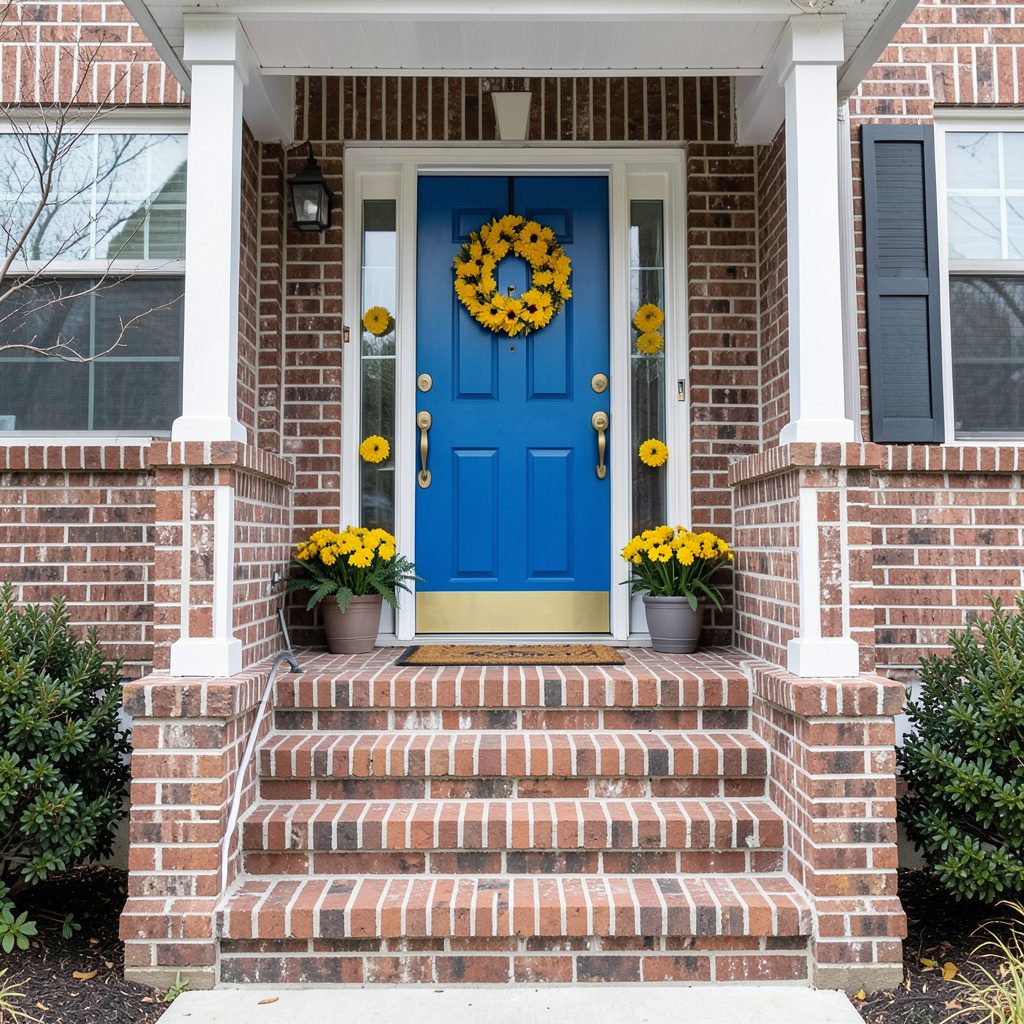
An indoor-outdoor layout gives pets a useful release valve and can make the living room feel larger. Keep the internal floor material consistent with the outdoor zone where possible, then use a rug to soften the change. For guidance on aligning flooring, furniture and planting, porch design ideas offers a practical transition between rooms. A shaded threshold, a water point and a washable mat are worth including, but they should not interrupt the main sightline through the house.
Climate should determine how that transition works. Sydney terraces often open to small courtyards, where covered seating and a hard-wearing surface can handle salt, grit and splashed water. Brisbane homes need generous shade, ventilation and drainage because summer humidity and heavy rain can quickly turn an uncovered edge into a slippery, grubby patch. In Canberra, frost and cold winters favour a protected retreat and easy-clean rugs. Melbourne’s changeable weather and compact balconies call for a narrow, foldable pet perch rather than a bulky outdoor set.
Local retailers carry a strong range of outdoor pieces suited to these conditions, including powder-coated aluminium frames, UV-stable outdoor fabrics and composite or sealed timber decking. Choose textured surfaces for grip, check that composite boards do not retain excessive heat, and keep joints tight so paws cannot catch. Outside, use a covered bed, drainage that carries water away from the house and plants verified as safe for the relevant animal. A hose connection or washdown point makes routine cleaning much easier.
Compare refined and resilient choices
Before committing to a finish, compare the refined option with the version that will tolerate ordinary wear. The useful choice is often a hybrid: timber underfoot with a washable textile over it, upholstered seating with removable covers, or closed cabinetry that displays only a few chosen objects. These decisions should reflect how the room is used, not simply how it looks in an empty photograph.
| Design element | Refined-looking option | More resilient option | Australian home consideration |
|---|---|---|---|
| Flooring | Engineered timber | Matte porcelain or textured resilient flooring with a washable runner | Timber adds warmth, while resilient floors simplify spill and grit clean-up |
| Seating | Delicate upholstery | Performance fabric with a removable, washable cover | Frequent cleaning is easier than treating an investment piece |
| Storage | Open display shelving | Closed cabinets and pull-out bins | Keeps leads, toys and accessories out of sight |
| Outdoor surface | Smooth timber decking | Textured pavers or grooved composite decking | Provides grip in rain and under muddy paws |
| Scratching point | Freestanding post | Built-in scratching panel | Repeating the joinery timber helps the feature blend into the room |
The right balance will differ between a calm apartment, an energetic family room and a home with a muddy dog. Prioritise slip resistance and easy cleaning in high-traffic areas, retain softer materials in low-traffic zones, and make any special surface easy to replace. If you rent, removable rug pads, washable throws and freestanding storage can deliver most of the resilience without a permanent fit-out.
Checks for a practical pet-friendly room
Layout and safety
- Keep leads, toys and treats in closed or lidded storage.
- Anchor tall shelving and position scratching surfaces away from doors.
- Check balcony screens, pool gates and garden gates regularly.
- Put a washable mat at the entrance and keep cleaning supplies nearby.
Materials and care
- Choose washable covers and rugs with low, tightly woven piles.
- Test flooring samples against claw marks, grit and damp paw prints.
- Specify removable, replaceable trims around doors and furniture edges.
- Vacuum often and wipe spills before they set into grout or fibres.
A workable room supports care rather than demanding constant correction. Keep a lint roller near seating, vacuum on a regular schedule and wipe paw prints before they dry. Schedule periodic checks of screens, cords, loose boards and covers, replacing a damaged item while it is still small rather than allowing it to undermine the whole scheme.
Make the room work every day
Start with a simple floor plan, then choose one hard-wearing floor finish, one fully washable rug and closed storage near the entrance. These decisions establish a practical base without dictating the entire style. Layer in colour, lighting and furniture only after the room’s daily demands are clear. Make those choices before the next renovation or furniture purchase, and the finished space can support both pet life and the atmosphere you want to come home to.